
01 / PROPULSION
The engine
A liquid-propellant engine with a 6-impinging injector. The combustion chamber and nozzle are made from stainless steel, while the aluminium injectors combine 3D printing with CNC machining.
INJECTOR / CHAMBER / NOZZLEAn experimental launch vehicle.
Designed, built and tested by ReSAT.
Planning a CanSat campaign or developing another experiment? We welcome early conversations about payload integration, mission requirements and future launch projects.
resat.team@gmail.com STELA 1 remains under development. Future campaigns depend on successful vehicle validation.STELA 1 is our experimental, liquid-propellant launch vehicle under development in Poland. It is being developed as a low-cost, small-scale launch platform for Europe, focused on small scientific payloads and flexible suborbital missions.
Our long-term goal is to build a practical European platform for small scientific payloads without the cost and rigidity of larger systems. Pressure-fed propulsion, the piston tank, avionics, composite structures, recovery and ground equipment are developed together to move step by step toward that capability.
Explore STELA 1A pressure-fed propulsion system using nitrous oxide and ethanol, custom avionics, an aluminium piston tank, composite airframe hardware and a two-stage recovery architecture.
The rocket remains in development. Ground testing, subsystem validation and structural work are guiding the programme toward planned 2-10 km missions.
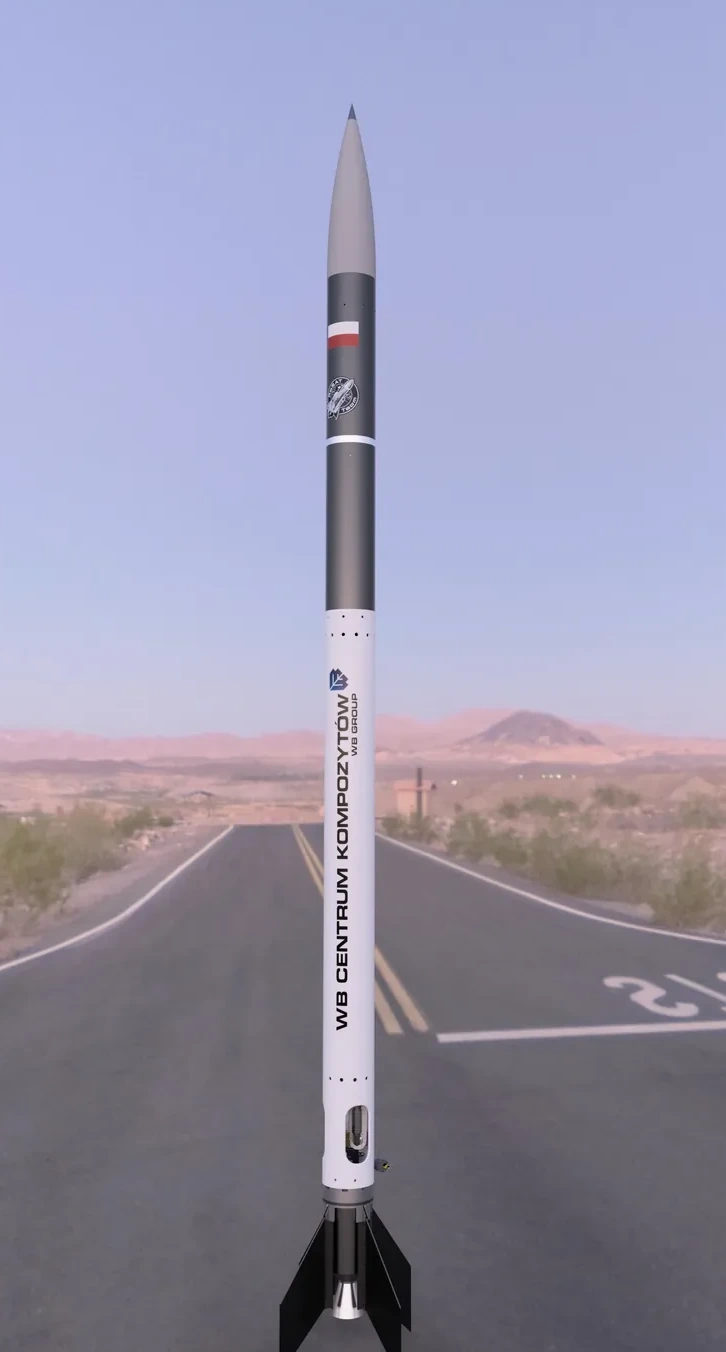
Propulsion, tanks, fluid routing, avionics, composite structures and recovery are developed as parts of one integrated programme.
A liquid-propellant engine with a 6-impinging injector. The combustion chamber and nozzle are made from stainless steel, while the aluminium injectors combine 3D printing with CNC machining.
INJECTOR / CHAMBER / NOZZLEA custom aluminium pressure vessel carries separate oxidiser and fuel chambers. An internal moving piston separates the propellants while coupling their supply pressures. Piston position is tracked by a custom 12 Hall-effect sensor array for state estimation and ground-test diagnostics. Simulations and hydrostatic pressure tests were carried out to confirm the tank strength.
12 HALL SENSORS / SIMULATION / HYDROTESTThe vehicle uses a pressure-fed layout for nitrous oxide and ethanol, with dedicated fill, vent and feed paths. The architecture connects the source bottle, piston tank, valves, quick disconnects and engine in one integrated flow scheme.
TANKING / VALVES / FEED LINESCustom-developed electronics control test sequences and capture pressure, temperature, thrust, GPS and piston-position measurements, with onboard logging and radio telemetry. The same architecture underpins both ground testing and future flight operations.
PCB DESIGN / SENSORS / TELEMETRYWith WB Centrum Kompozytów, we are developing a carbon-fibre airframe tube and carbon-fibre fins, alongside a glass-fibre nose cone. These state-of-the-art composite components will form part of the next STELA 1 structural iteration.
CARBON AIRFRAME / STRUCTURAL DEVELOPMENTThe two-stage recovery system combines a cruciform drogue parachute with a 2.8 m semi-ellipsoidal main. The drogue stabilises the descent and helps limit drift; the main opens lower to reduce landing speed for a softer touchdown.
DROGUE / MAIN / TWO-STAGE DESCENTEach firing is a full-system test. We record the outcome, identify problems and use the evidence to improve STELA 1 before its first flight.
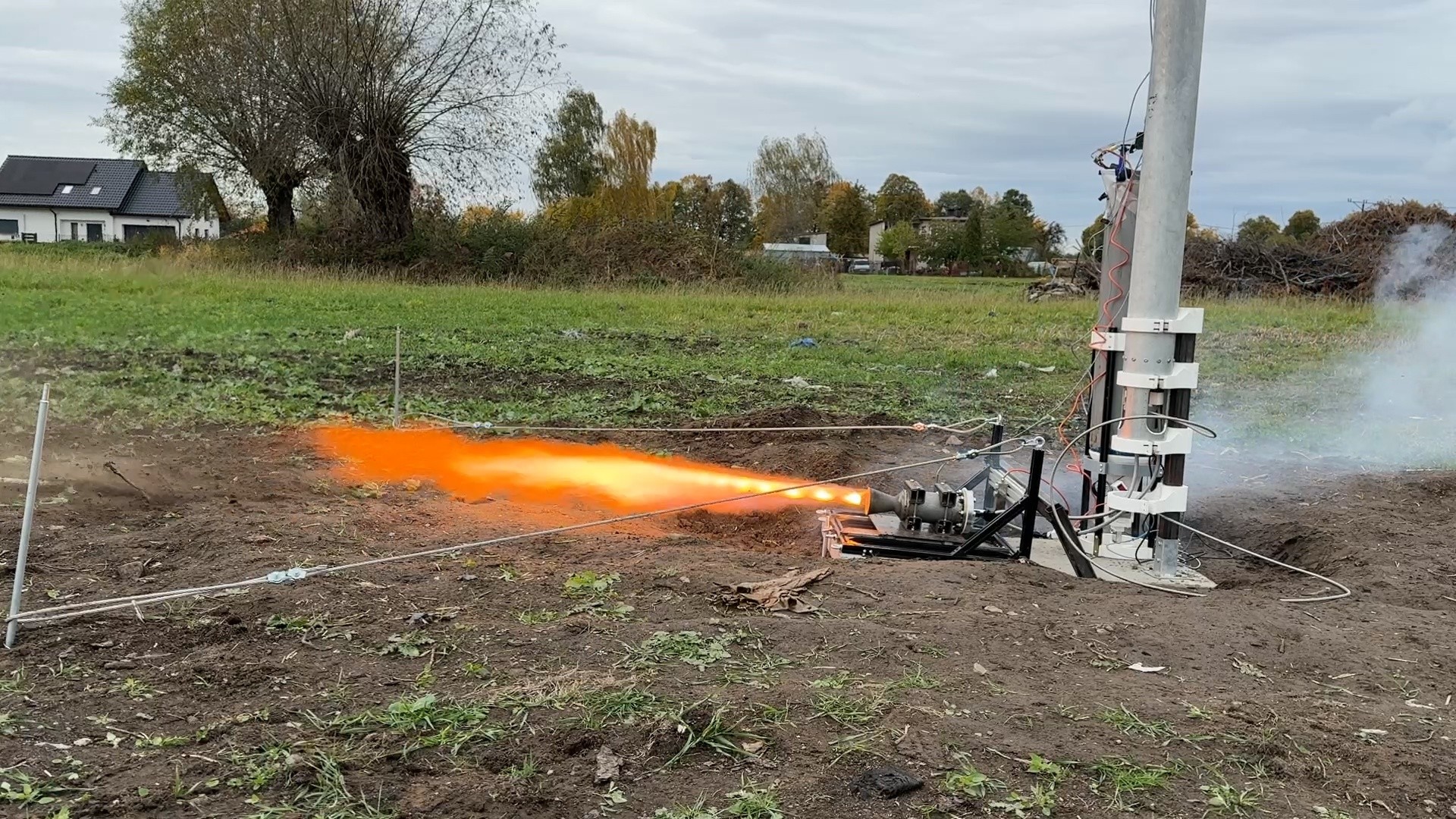
Drone footage from a subsequent hot-fire test.
Watch the complete engine testPropellant transfer and the piston worked as intended. Failure of the igniter prevented combustion in the main chamber.
Combustion occurred, but thrust was intermittent. The team identified restricted flow through the solenoid valves as the main suspected limitation and changed the valve design.
The planned firing was cancelled when the N₂O supply cylinder used for filling was found to be obstructed. No hot-fire was conducted.
The fourth test achieved a successful integrated engine firing, documented on video and in the test telemetry. The team continues to validate the system ahead of flight.
An in-house avionics system monitors the vehicle, records every test and coordinates critical onboard functions.
Pressure, temperature, acceleration, rotation, thrust, tank mass, piston position and GPS are acquired by dedicated sensors and conversion channels. The controller manages logging, radio telemetry, valves, servos, igniters and camera triggering.
*Manufacturer specification with suitable antennas and settings, not a demonstrated STELA 1 flight range. Flight-link performance remains to be validated.
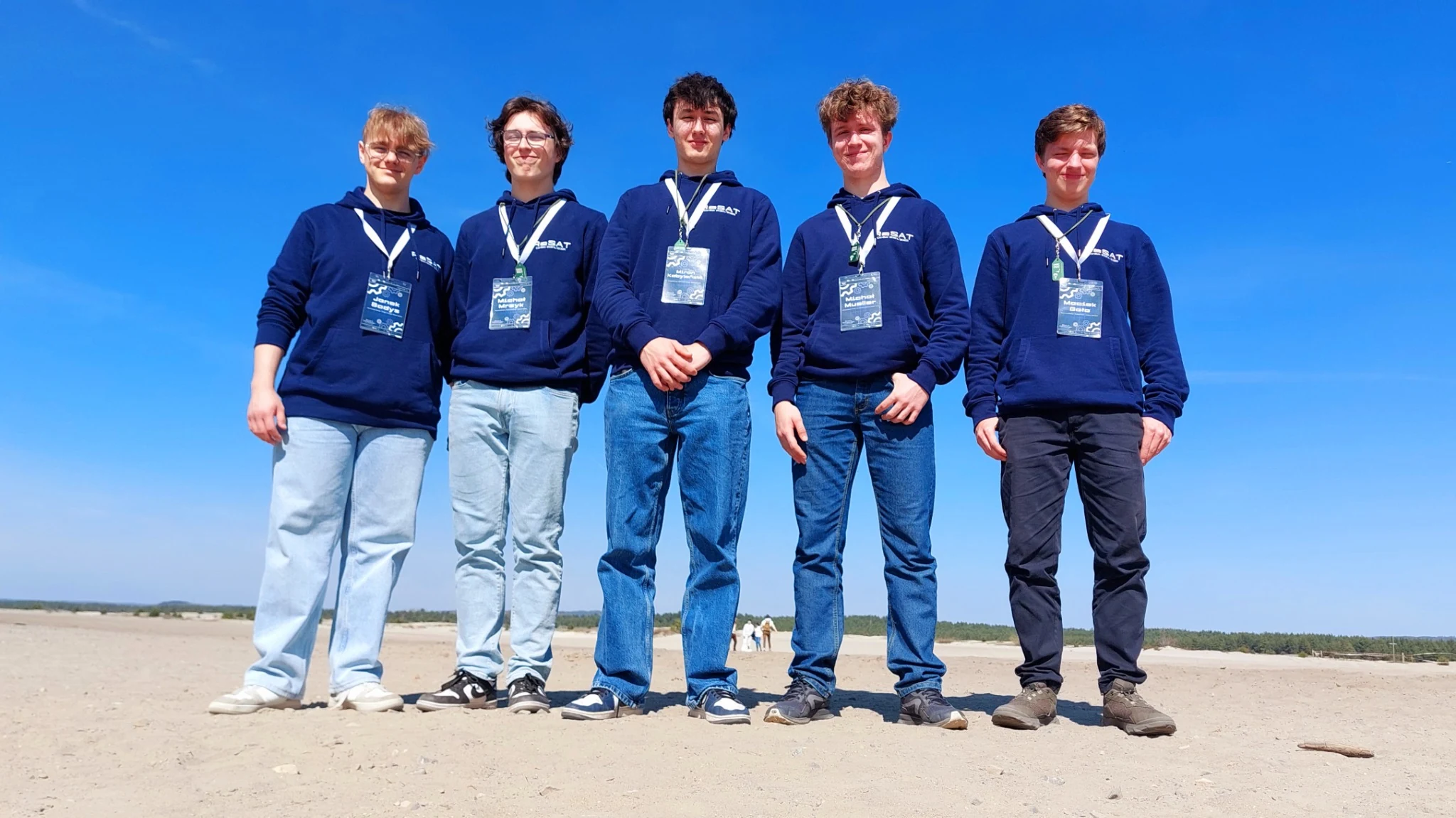
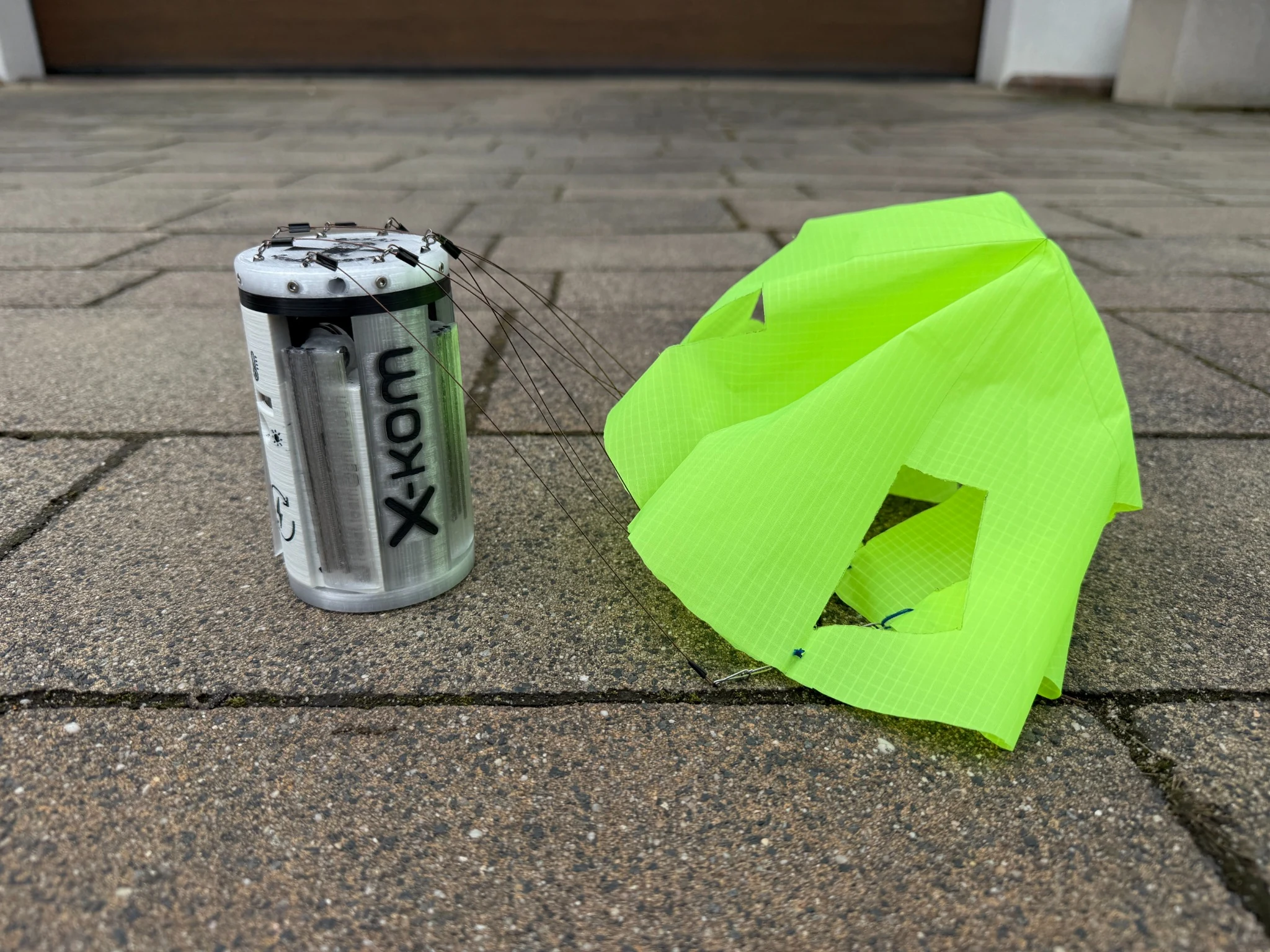
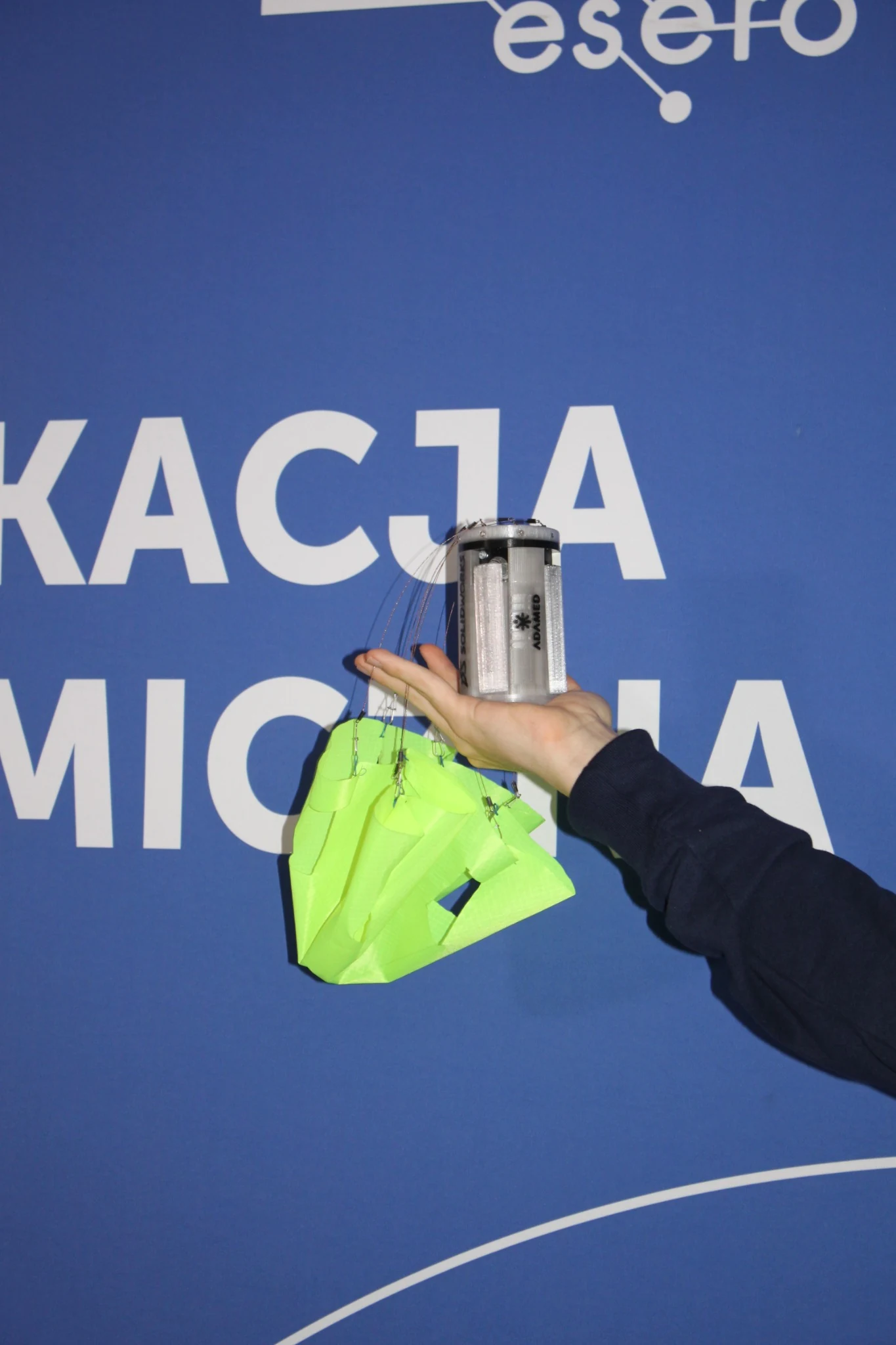
Radio specificationsReSAT won first place in the Polish CanSat competition in 2025. That project gave us hands-on experience with small scientific payloads, testing, integration and flight operations.
Our mission is to develop a low-cost, small launch vehicle in Europe, with the flexibility to accommodate different payloads, experiments and mission requirements. STELA 1 is our first step toward that goal.
ReSAT on Instagram